Diagnostic device stroke finder trialled at HMRI
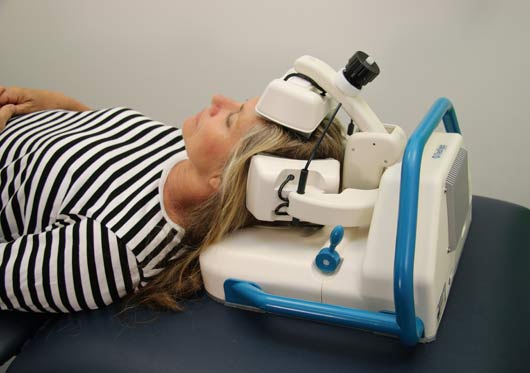
The goal is to put a Stroke Finder Helmet into every ambulance.
The treatments for an ischemic stroke (caused by a blood clot) and a haemorrhagic stroke (brain aneurysm or bleeding vessels) are vastly different. With an acute stroke occurring every 10 minutes in Australia, the long-term benefit of early diagnosis is literally life-saving.
With an ischemic stroke, it is important to thin the blood and when dealing with a haemorrhagic stroke, stopping the bleeding and possibly evacuating the blood is crucial to ensure the best long-term results. The cause needs to be ascertained as soon as possible so that the correct treatment can be given to stroke victims.
The helmet is compact, portable and fast to operate. It is capable of performing multiple brain measurements in 60 seconds using microwave technology similar to that of mobile phones.
The stroke patient’s head is placed directly on the cushion-sized base and sequentially scanned by antenna pads emitting lowenergy microwaves. The bleeding patterns are then detected via an image-generating algorithm; the type of stroke is identified; and appropriate treatment begun whilst the patient is en route to hospital.
Other Articles from this issue
People strategy for the growing business
In almost all situations, business growth generally requires an increase in personnel.

Sleeping on the job - an innovative booster?
It’s been going on across the globe for years, a little afternoon downtime.

Hunter Startups - Our Tomorrow Projects
Our Tomorrow Projects is a not-for-profit social enterprise start-up.
Innovative business finance solutions
CommBank’s Daily IQ is a new mobile analytics app which gives businesses access to insights about their cash flow, sales...